Best Practices in Photography: A Complete Guide for Beginners and Enthusiasts
Photography is more than just pressing a shutter—it’s about storytelling, creativity, and technical skill. Whether you’re a beginner with a smartphone or an experienced photographer with a DSLR, following the best practices in photography will help you capture more powerful, memorable images.
In this guide, we’ll cover essential photography techniques, tips, and habits that can take your photography from average to extraordinary.
1. Master the Basics of Composition
One of the first steps to improving your photography is learning how to compose your shots. Proper composition ensures your subject stands out and the photo feels balanced.
Use the Rule of Thirds: Divide your frame into a 3×3 grid and place key elements along the lines.
Experiment with Leading Lines: Roads, rivers, or fences guide the viewer’s eye into the photo.
Include Foreground Elements: This adds depth and makes your images more dynamic.
Keep Backgrounds Clean: A clutter-free background keeps attention on your subject.
Good composition is what turns a simple snapshot into a story.
2. Pay Attention to Lighting
Lighting can make or break a photo. Professional photographers often say that light is the language of photography.
Golden Hour Magic: Shoot during sunrise or sunset for warm, soft light.
Avoid Harsh Midday Light: It creates strong shadows and reduces detail.
Use Natural Light Whenever Possible: Position your subject near windows or outdoors.
Experiment with Shadows: Creative use of shadows adds drama and mood.
Tip: Learn how to read light and adjust your settings accordingly.
3. Know Your Camera Settings
Even the best camera won’t help if you always shoot in auto mode. Understanding your camera’s exposure triangle—aperture, shutter speed, and ISO—is key.
Aperture (f-stop): Controls depth of field. Wide apertures (f/2.8) blur backgrounds; narrow apertures (f/8–f/16) keep more in focus.
Shutter Speed: A fast shutter (1/1000s) freezes motion, while a slow shutter (1/30s) captures motion blur.
ISO: Higher ISO increases sensitivity but can add noise. Keep it low for best quality.
Practice manual mode to gain full creative control.
4. Steady Your Shots
Blurry photos are one of the most common beginner mistakes. To keep your images sharp:
Use a Tripod: Essential for low light, landscapes, or long exposure photography.
Hold the Camera Correctly: Support the lens with one hand and grip the body firmly.
Use a Timer or Remote Shutter: Avoids camera shake during long exposures.
5. Tell a Story Through Your Images
The best photographs don’t just capture subjects—they tell stories. Think about what you want viewers to feel or understand when they see your photo.
Capture emotions in portraits.
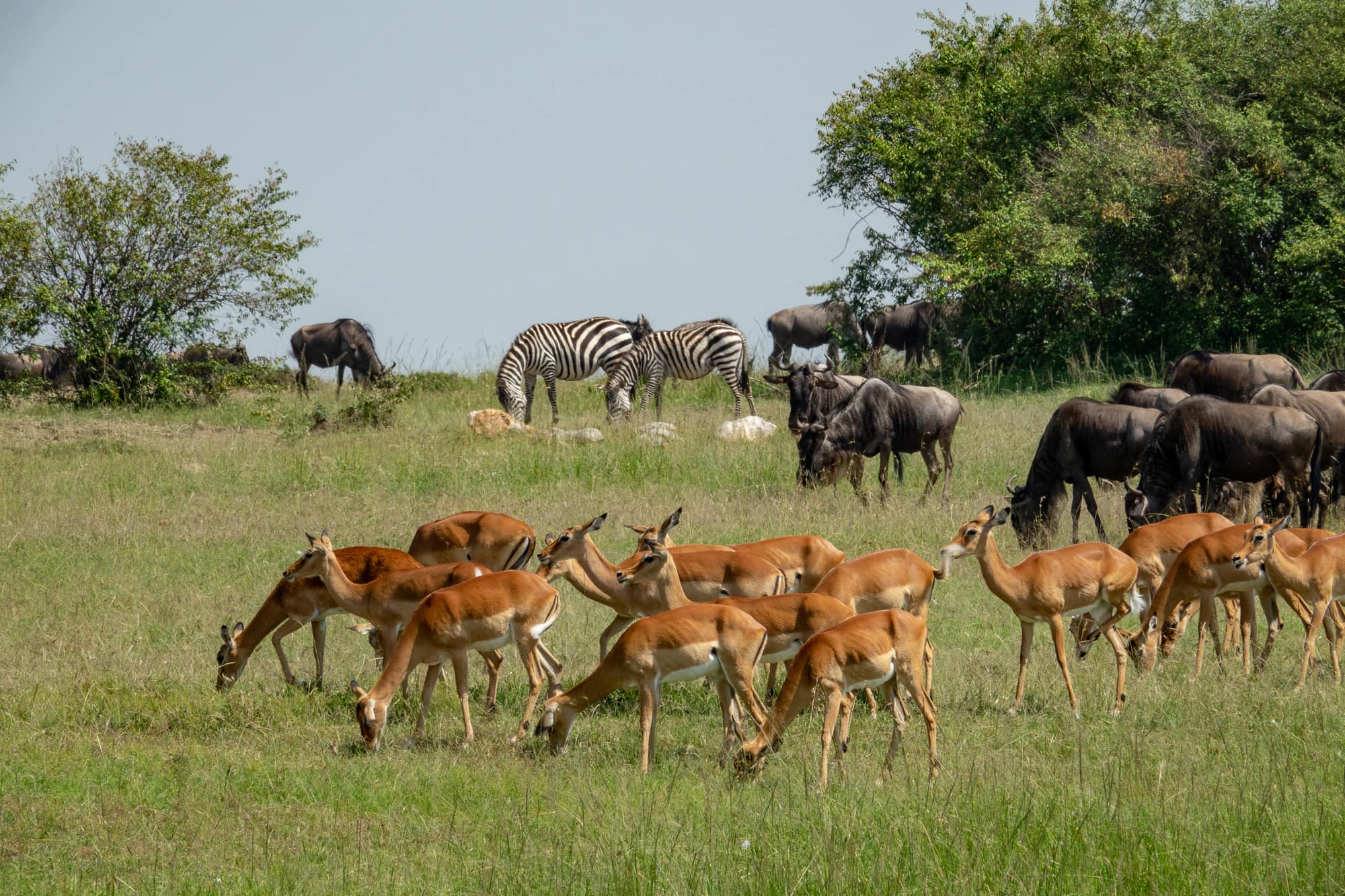
Use wide shots to show scale in landscapes.
Focus on details for close-ups that highlight textures.
Storytelling makes your work more memorable and impactful.
6. Edit with Care
Post-processing is part of modern photography, but it should enhance your images, not distort them.
Use editing software like Lightroom or Photoshop.
Adjust exposure, contrast, and color balance for natural improvements.
Avoid over-editing—too much saturation or smoothing can ruin an image.
7. Keep Practicing and Learning
Photography is a journey. The more you practice, the better you get.
Experiment with Different Genres: Portraits, landscapes, street photography, wildlife.
Study Other Photographers’ Work: Analyze composition, lighting, and style.
Take Notes: Review your shots to learn what worked and what didn’t.
Consistency is key—the best photographers started as beginners too.
8. Care for Your Equipment
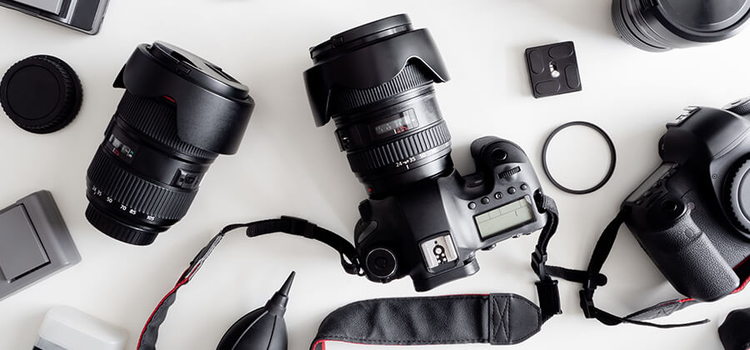
Your gear is an investment. Proper care ensures it lasts longer and performs better.
Keep lenses clean using microfiber cloths.
Store equipment in a dry, dust-free place.
Use protective gear like lens hoods and camera bags.
Regularly back up your photos to avoid losing precious work.
The best practices in photography are not just about technical skills but also about creativity, discipline, and storytelling. By mastering composition, understanding light, practicing with your camera settings, and editing responsibly, you’ll elevate your photography skills significantly.
Whether you’re just starting out or looking to refine your craft, remember this: photography is a balance between art and technique. The more you practice, the better your eye will become—and the more powerful your images will be.